
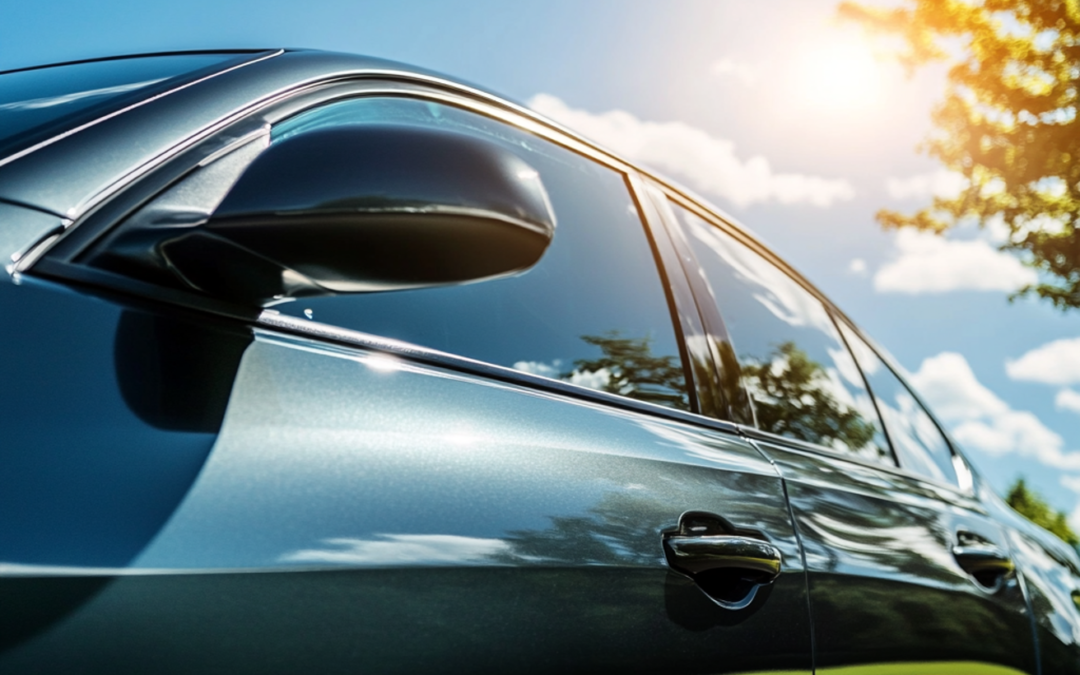
Window tint has come a long way from just being for looks to now serving many practical uses. Whether you’re looking to tint your car, your home or your office space, understanding the different types of tint, their uses and benefits is key to making the right decision. Below we’ll break down automotive window tint, home window tint and interior office films so you can choose the right one for you.
What is Window Tint?
Window tint is a thin laminate film that can be applied to glass surfaces. It reduces the heat and UV rays that pass through the glass and boosts privacy. There are different types of tints with varying levels of UV protection, heat reduction and visible light transmission.
According to the International Window Film Association, high quality window film can block up to 99% of ultraviolet rays, protecting your skin and the interior of your car or building. That’s a big deal.
Automotive Window Tint
Heat Reduction and UV Protection
One of the main reasons people choose to tint their car windows is for heat reduction. By filtering out some of the sun’s infrared rays, tint keeps your car’s interior much cooler on hot days. Tinted windows also reduce harmful UV radiation, protecting your skin and the life of your car’s upholstery, dashboard and other interior components.
According to the Skin Cancer Foundation, UV rays can pass through glass windows and cause skin damage over time. A good quality automotive window tint is an extra layer of protection.
Glare and Safety
Automotive tinting also reduces glare from the sun or oncoming headlights at night, making your drive safer and more comfortable. In the event of an accident, tinted film can hold shattered glass together, preventing shards from flying and reducing the risk of injury.
Privacy and Looks
A darker tint adds an extra layer of privacy, which is useful when you leave valuables in the car. Tint also makes many cars look sleek and upgraded.
Legal
Each state or country has different laws regarding the darkness (VLT or Visible Light Transmission) of tint. Make sure you know your local laws to avoid any legal issues.
Home Window Tint
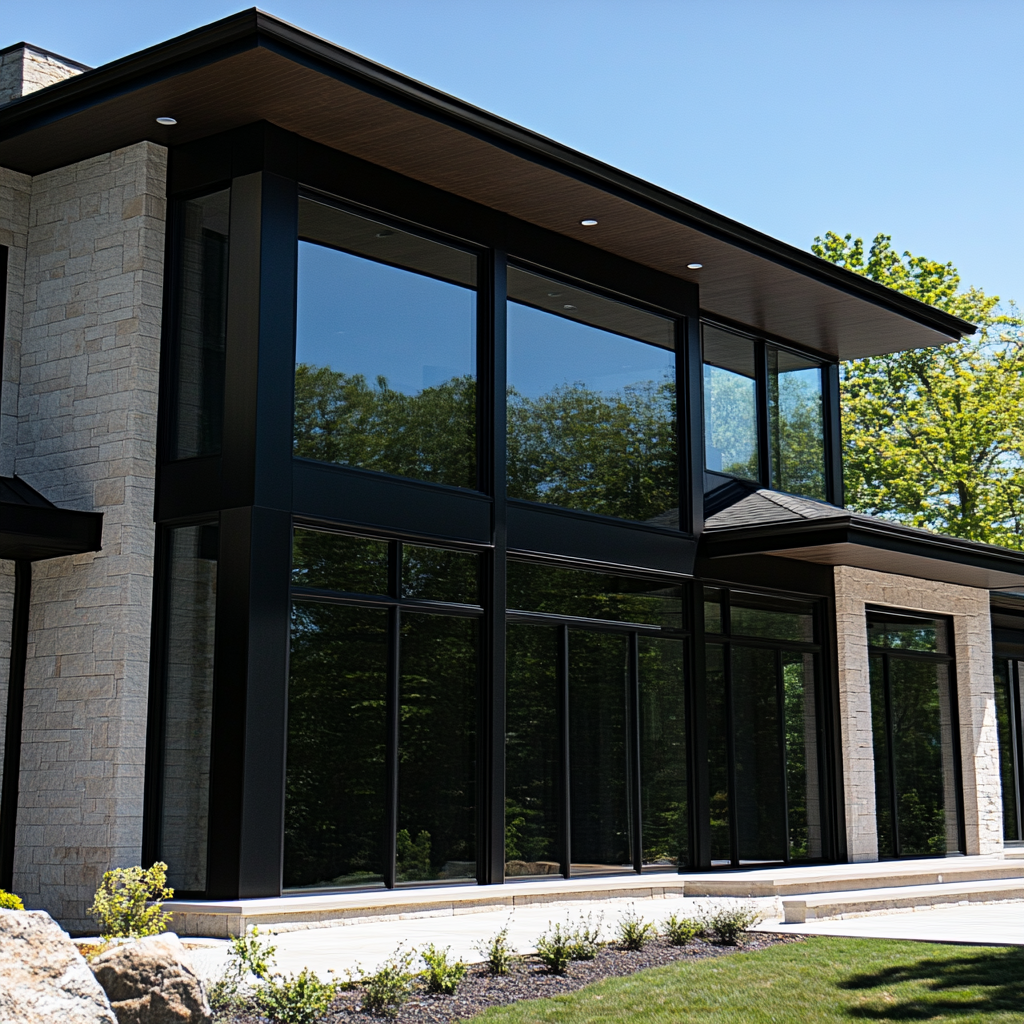
Energy Saving
Residential window films can save your home a lot of energy. By filtering out UV and infrared rays, it reduces heat buildup during summer and helps your cooling systems work more efficiently. In winter, some types of film can also retain heat inside. That means potentially lower bills all year round.
UV Protection for Interiors
UV radiation can fade and damage furniture, flooring, artwork and other valuable items. Home window tint is a protective barrier that reduces UV exposure and extends the life of your interior decor.
Privacy and Comfort
Tinted windows gives you daytime privacy without compromising your view of the outside world. You’ll still be able to get natural light while keeping prying eyes out. And the reduced harsh sunlight makes the indoor environment more comfortable especially in rooms with big windows.
Customization and Looks
Window films come in different styles and light transmission levels. Some are almost invisible, allowing maximum natural light while providing UV and heat protection, others have a reflective or frosted look for privacy or design purposes.
Office Interior Window Films
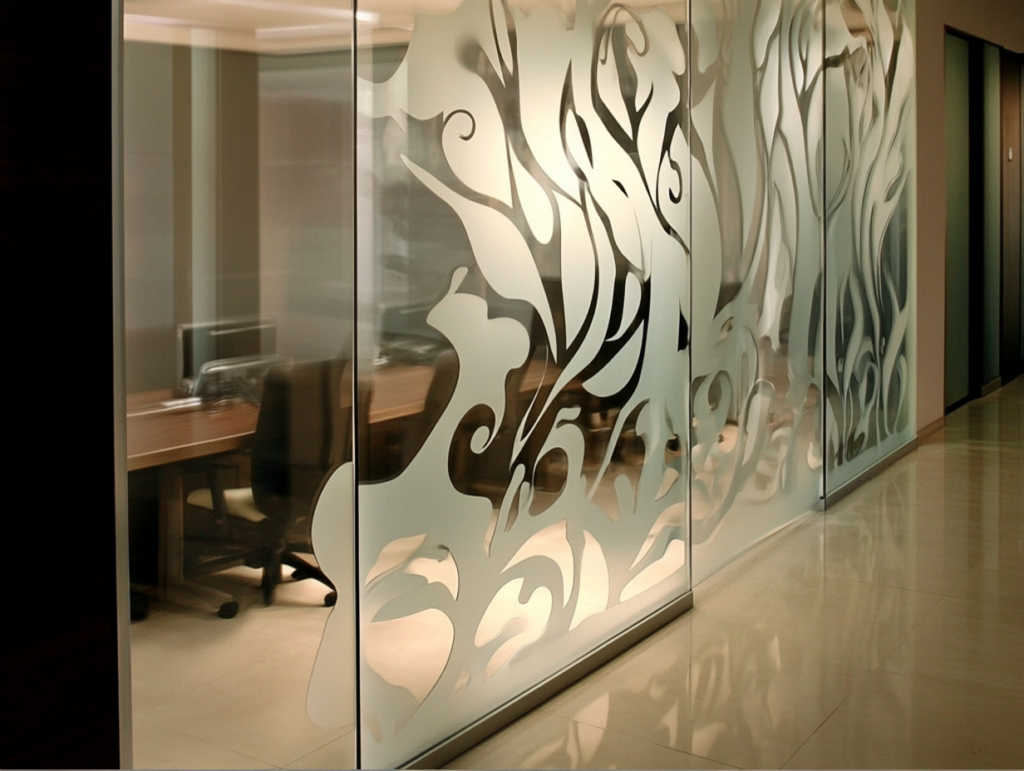
Keeping the Open Look
Modern offices use glass partitions to achieve an open and collaborative space. But this design style can compromise privacy. Interior window films, especially frosted or decorative ones, solves this problem by allowing light to pass through while still providing discretion.
Productivity and Comfort
Glare and heat can affect productivity especially when employees are staring at computer screens all day. By applying window film to exterior windows or glass partitions, you can reduce glare, temperature fluctuations and create a more comfortable working environment.
Branding and Looks
Decorative or frosted films can also have branding elements, logos or custom designs to add to the overall look and feel of your office. This not only looks professional but also reinforces your brand identity throughout the space.
Easy to Install and Maintain
Office interior films are quick to install and easy to clean. Most can be cleaned with non-abrasive materials and the film itself is durable, can last for years without discoloration or peeling.
Choosing the Right Tint
Are you looking for heat reduction, privacy, looks or UV protection? Identify your main goal and that will help you determine the type of film you need. Material – Some films are metalized for extra heat reflection, others are dyed for looks. Newer ceramic tints provides high performance without affecting the car’s electronics or phone signals. Regulations – Whether it’s your car or building codes for commercial properties, make sure you comply with local laws. Professional Installation – While some films are marketed as DIY, hiring a professional ensures a smoother finish and compliance to warranty requirements. Maintenance and Care
After your tint is applied, proper care will extend its life. For automotive tint, don’t roll down your windows for a few days after installation to prevent peeling. For both automotive and building windows, use a mild cleaning solution and a soft cloth. Avoid abrasive materials or ammonia-based cleaners as they can damage the film.
How Window Tint Benefits You in the Long Run Energy Savings:
- Lower cooling costs in summer and better insulation in winter.
- Reduced glare and consistent indoor temperature.
- Protect your skin and your interior from harsh sun exposure.
- Customizable tints for cars, homes and offices.
- Frosted glass for offices or tinted car windows, you get the privacy you need without sacrificing style.
Thanks to It’s Vinyl Y’all for this article. They are experts in window tint solutions for cars, homes and commercial spaces. If you need to get your windows tinted professionally, they are the way to go.
For those in Madison, MS, you can visit them in person. Click here for directions.
Whether you need comfort in your car, energy savings at home or modern look in your office, window tint is a versatile and beneficial solution. With its ability to reduce heat, protect from UV rays and increase privacy, it’s no wonder many are investing in high quality films. By understanding the difference between automotive, residential and interior office window tints you can make the right decision for your needs.